

Medication is Effective: The 4 Most Common Medications Psychiatrists Prescribe

Natural remedies can help with your treatment. In addition, developing healthy habits are a great way to improve your mental health. However, sometimes natural remedies and healthy habits aren’t enough. There is no shame in seeking proper treatment. Professionals can assist you by prescribing you medication that works with your body and your mind. Medication is a tool that can help you get you back on track.
Medication can be quite successful in addressing the symptoms of mental health disorders. A psychiatrist, whether in-person or online, is a medical practitioner who has the licensure, training, understanding, and ability to prescribe medicine and issue prescriptions. Furthermore, there are several types of psychiatrists, each of whom specializes in a certain field of psychiatry.
Medication, when recommended by a psychiatrist, can relieve the main symptoms of mental health problems such as:
- Depression
- Anxiety
- Attention deficit hyperactivity disorder (ADHD)
- Post-traumatic stress disorder (PTSD)
- Obsessive-compulsive disorder (OCD)
- Schizophrenia
- Bipolar disorder
While psychiatrists must attend medical school and finish medical training to become certified medical physicians, this does not exclude a therapist from treating mental health disorders with other types of treatment. This is one of the reasons why therapists and psychiatrists would collaborate to offer comprehensive care for a patient suffering from mental illness. In-person or online counseling can be quite beneficial in the treatment of an illness.
Companies like
Virtual Psychiatric Care can offer a combination of both. Before we dive in, remember that medication can vary. It’s important to speak to your doctor to ensure that your treatment is effective and safe.
Let’s begin!
Antipsychotic Medications
Antipsychotics are used to treat persons who suffer auditory, visual or both types of hallucinations. This implies they see or hear things that aren't real, and they can't tell the difference between reality and hallucination. Off-label use of antipsychotic medicines for depression, bipolar disorder, and other disorders is also common.
People who encounter hallucinations may be suffering from schizophrenia or a sort of bipolar disease.
Antipsychotic drugs act by preventing dopamine receptors in the brain from functioning.
While some of the other drugs we've examined enhance dopamine activity, antipsychotics work by blocking some brain communications, effectively lowering aberrant communications that may be producing delusions and hallucinations. It is primarily used to treat schizophrenia and can be quite beneficial for symptom management.
Among the most regularly recommended antipsychotic drugs by psychiatrists are:
- Seroquel (Quetiapine)
- Zyprexa (Olanzapine)
- Risperdal (Aripiprazole) Abilify (Aripiprazole) Geodon (Ziprasidone) (Risperidone)
Stimulants
Some mental health problems, such as attention deficit hyperactivity disorder, are treated with stimulants (ADHD).
Stimulants function in the brain by raising dopamine levels. Dopamine is a neurotransmitter that is linked to feelings of enjoyment, pleasure, and motivation. Stimulant prescription medicine improves attention and concentration in many persons with ADHD. This form of ADHD medication may also help with impulsive behavior.
Among the most regularly prescribed stimulant psychiatrist medicines are:
- Adderall XR, Adderall (Amphetamine)
- Dexedrine (Dextroamphetamine) Vyvanse Daytrana (Methylphenidate) (Lisdexamfetamine )
- Ritalin, Quillivant XR, Concerta (Methylphenidate Hydrochloride)
Anti-Anxiety Medication
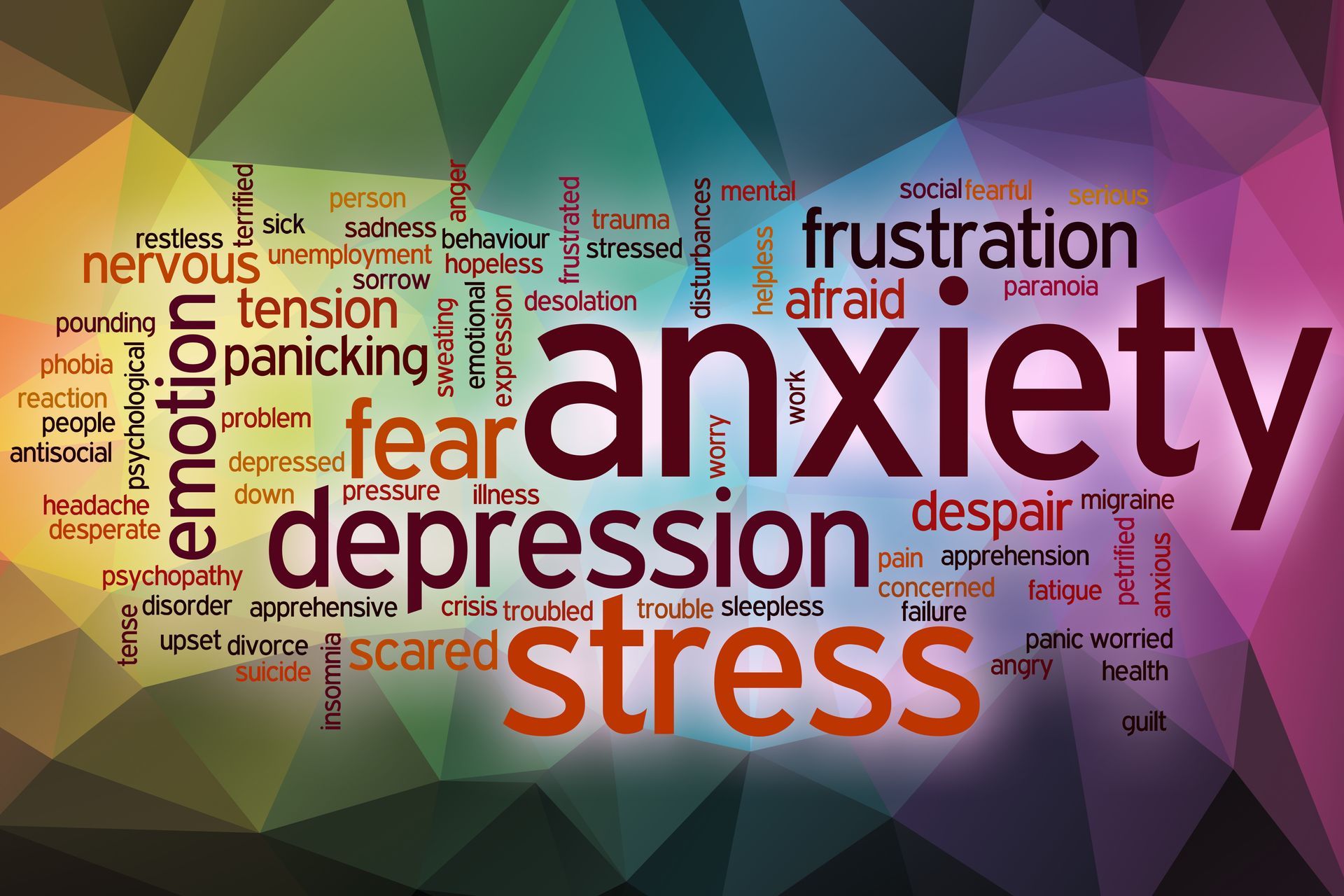
Another typical symptom connected with many mental health disorders is anxiety. Generalized anxiety disorder (GAD) is a diagnosable mental health illness in and of itself, and there are several additional forms of anxiety disorders. In fact, it is estimated that about 40 million persons in the United States suffer from an anxiety problems.
People who suffer from severe anxiety may suffer from terrible panic episodes and a general, near-constant worry that something horrible may happen. Anti-anxiety medicine may be beneficial for these folks.
This anxiety medication class works by boosting the action of neurotransmitters in the brain that help you feel calm and relaxed.
Anti-anxiety drugs are classified as follows:
- Antidepressants (including some SSRIs, SNRIs, or TCAs)
- Benzodiazepines (abbreviated "benzos")
- Buspirone \sHydroxyzine
- Beta-blockers
Among the anti-anxiety drugs regularly recommended by psychiatrists are:
- Lexapro (Escitalopram)
- Zoloft (Sertraline)
- Paxil (Paroxetine)
- Wellbutrin (Duloxetine) Cymbalta (Bupropion)
Antidepressant Medications
Depression is not simply a sickness; it is also a prevalent sign of many mental health illnesses, including bipolar disorder, borderline personality disorder, and, in rare cases, schizophrenia. Most people can benefit from antidepressant medication. According to research, more than 13% of individuals in the United States had lately taken depression medication.
Antidepressants can aid by restoring the balance of neurotransmitters in the brain. Neurotransmitters such as norepinephrine and serotonin help you sleep better, control your mood, and boost your capacity to focus and concentrate, among other things. In summary, antidepressants can aid in the promotion of a more happy mood while also regulating emotions.
Most common antidepressant psychiatrist medications include:
- Nardil (Phenelzine)
- Prozac (Fluoxetine)
- Zoloft (Sertraline)
- Effexor (Venlafaxine)
- Wellbutrin (Bupropion)
- Celexa (Citalopram)
- Lexapro (Escitalopram)
- Cymbalta (Duloxetine)
- Anafranil (Clomipramine)
- Tofranil (Imipramine)
Final Thoughts
Your health is first. Mental Health is not a cookie butter process. Some people work better on certain treatments than others. This is why it’s important to seek a professional. They can guide you in making the right decisions.
Medication for any sort of mental health illness is usually most effective when paired with some form of psychotherapy (talk therapy). It's also crucial to note that, unlike drugs for most physical diseases, a medication intended to treat mental health might sometimes take several weeks to work. It may also be essential to test a couple (or many) of different drugs before finding the one that works best for you.





Complete Guide to Virtual Embedded Psychiatric Provider Partnerships for Mental Health Organizations