


Breaking Free and Moving Forward: How to Heal from a Toxic Relationship

Key Points:
- Healing from a toxic relationship is a journey that takes time, patience, and self-compassion
- Recognizing and processing your emotions is the first step toward recovery
- Rebuilding your identity and self-worth is essential after leaving a toxic partner
- Professional therapy can accelerate healing and prevent future toxic relationships
- Setting healthy boundaries protects your mental health during recovery
- Virtual therapy offers convenient, confidential support from licensed professionals
- Self-care practices and support systems are crucial for long-term healing
So you finally did it. You left that relationship that was draining the life out of you. Or maybe you're just now realizing that the relationship you're in is toxic, and you're wondering what comes next.
Either way, you're probably feeling a mix of emotions right now—relief, sadness, anger, confusion, maybe even guilt. And here's what nobody tells you: leaving is often just the beginning. The real work of healing starts after you walk away.
But here's the good news: healing is absolutely possible. You can feel like yourself again. You can trust again. You can love again (including loving yourself). Let's talk about how to get there.
Understanding What You've Been Through
Before we dive into the healing process, let's acknowledge something important: toxic relationships leave real wounds. We're not talking about a simple breakup here. We're talking about systematic damage to your self-esteem, your sense of reality, and your ability to trust yourself and others.
What Makes a Relationship Toxic?
Toxic relationships involve patterns of behavior that harm your mental, emotional, or physical wellbeing. This might include:
- Constant criticism and put-downs
- Manipulation and gaslighting
- Controlling behavior
- Emotional or physical abuse
- Isolation from friends and family
- Unpredictable mood swings
- Lack of respect for boundaries
- One-sided effort and support
If you're dealing with the aftermath of narcissistic traits in relationships, the healing process can be particularly complex due to trauma bonding and psychological manipulation.
The Impact on Your Mental Health
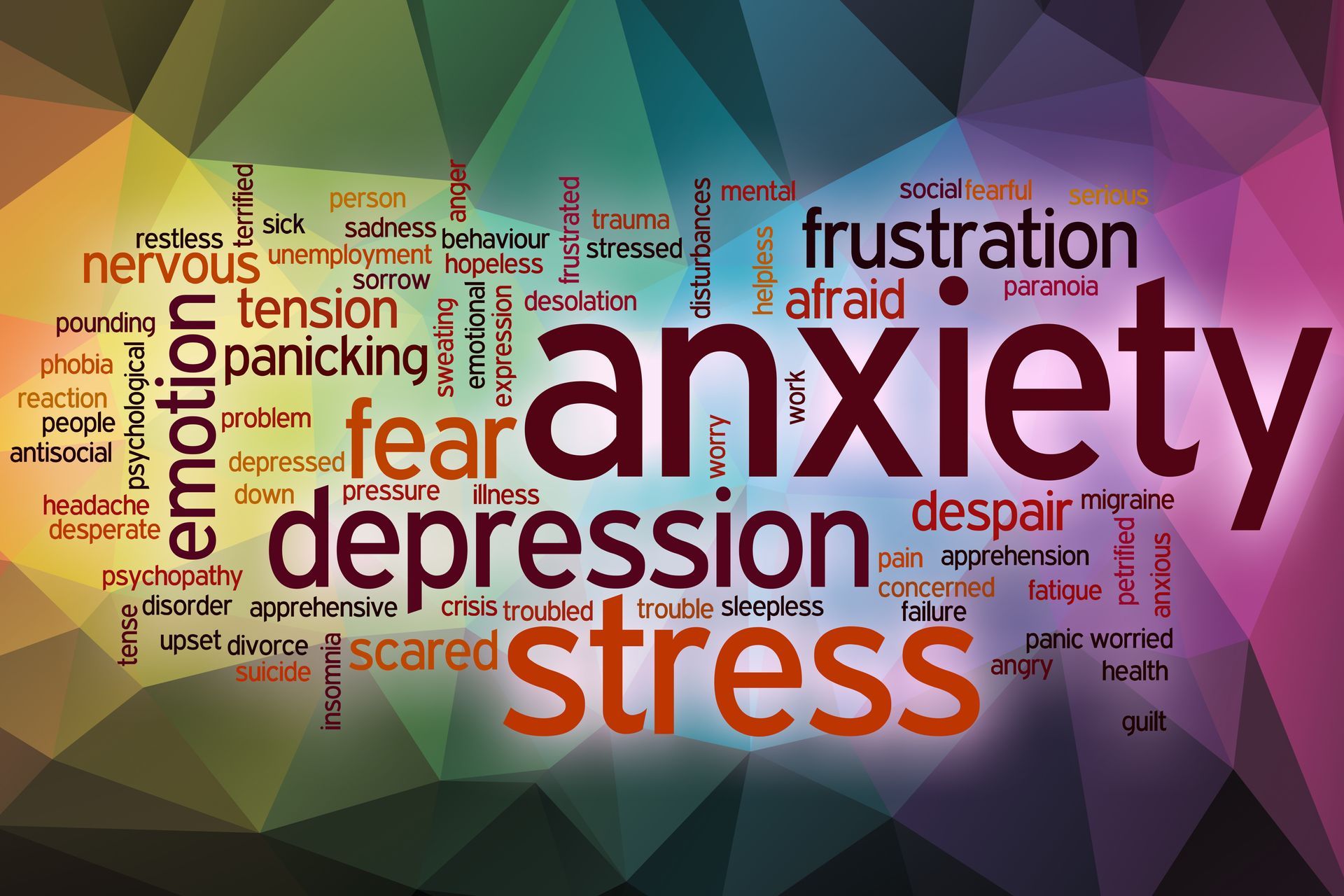
Toxic relationships don't just make you sad—they can contribute to serious mental health challenges including:
- Anxiety and panic attacks
- Depression
- Complex PTSD
- Low self-esteem
- Trust issues
- Difficulty sleeping
- Physical health problems from chronic stress
Understanding that these are normal responses to an abnormal situation is crucial. You're not broken—you're recovering from something harmful.
The Stages of Healing: What to Expect
Healing isn't a straight line from hurt to happy. It's more like a winding road with ups and downs, and that's completely okay. Here's what the journey often looks like.
Stage 1: Grief and Loss
Even when you know leaving was the right choice, you'll probably grieve. You're mourning:
- The relationship you thought you had
- The person you believed they were
- The future you imagined together
- The version of yourself before the relationship
- Time you feel was "wasted"
This grief is valid. Let yourself feel it without judgment. Cry when you need to. Talk about it. Write about it. Just don't rush past it, because processed grief heals—suppressed grief lingers.
Stage 2: Anger and Resentment
After the sadness often comes anger. And honestly? That's healthy. You might be furious at:
- Your ex-partner for how they treated you
- Yourself for staying as long as you did
- Friends or family who didn't see what was happening
- The situation in general
Anger can be productive when channeled appropriately. It can fuel your commitment to never accept that treatment again. Just don't let it consume you or prevent you from moving forward.
Stage 3: Acceptance and Understanding
This is where things start to shift. You begin to:
- Accept that the relationship is over
- Understand the patterns that kept you stuck
- Recognize red flags you missed or ignored
- See your own strength in surviving and leaving
- Feel ready to focus on your own healing
Stage 4: Rebuilding and Growth
This is the exciting part. You start to:
- Rediscover who you are outside the relationship
- Reconnect with parts of yourself you'd lost
- Build healthier patterns and boundaries
- Feel hope about the future
- Open up to new possibilities
Remember: these stages aren't neat and tidy. You might experience them out of order, revisit stages you thought you'd passed, or feel multiple stages at once. That's all normal.
Practical Steps to Start Healing Today
Okay, enough theory. Let's talk about what you can actually DO right now to start healing.
1. Cut Contact (Or Minimize It Significantly)
This is hard but crucial. Every time you interact with your ex, you're reopening the wound. If possible:
- Block them on social media
- Delete their number (or at least remove it from easy access)
- Avoid places you know they'll be
- Don't check up on them through mutual friends
If you share children or can't go completely no-contact, establish firm boundaries around communication. Keep interactions brief, businesslike, and focused only on necessary topics.
2. Seek Professional Support
This is where real transformation happens. A therapist who specializes in relationship trauma can help you:
- Process complex emotions safely
- Identify unhealthy patterns
- Develop coping strategies
- Rebuild self-esteem
- Work through trauma responses
- Learn what healthy relationships look like
Virtual Psychiatric Care offers convenient online therapy for residents of FL, OH, PA, VA, WA, AZ, UT, ME, MI, OR, and IL. You can schedule an appointment from the comfort of your own home, making it easier to prioritize your mental health during this difficult time.
3. Reconnect with Your Support System
Toxic relationships often isolate you from people who care about you. Now's the time to rebuild those connections:
- Reach out to friends and family you've drifted from
- Be honest about what you've been through
- Accept help when it's offered
- Join support groups (online or in-person)
- Surround yourself with people who lift you up
You might feel embarrassed or worry about being a burden. Push through those feelings. Real friends want to support you.
4. Reclaim Your Identity
Who were you before this relationship? Who do you want to be now? Take time to:
- Revisit hobbies you gave up
- Try new activities that interest you
- Spend time alone getting to know yourself again
- Make decisions based solely on what YOU want
- Redecorate your space to reflect your taste
- Listen to music you love (even if they hated it)
This might feel selfish at first. It's not. It's essential.
5. Process Your Emotions Healthily
Stuffing down your feelings will only make them come out sideways later. Instead:
- Journal regularly about your thoughts and feelings
- Talk to trusted friends or a therapist
- Allow yourself to cry when you need to
- Express anger through exercise or creative outlets
- Practice mindfulness to stay present with difficult emotions
- Use art, music, or movement to process feelings
6. Establish Healthy Boundaries
Learning to set and maintain boundaries is crucial for preventing future toxic relationships. Practice:
- Saying "no" without guilt or over-explaining
- Identifying what behaviors you will and won't tolerate
- Communicating your needs clearly
- Walking away from situations that don't serve you
- Respecting your own limits
Boundaries aren't mean or selfish—they're self-respect in action.
7. Prioritize Self-Care
Self-care isn't indulgent—it's necessary. Make sure you're:
- Getting enough sleep (7-9 hours per night)
- Eating nourishing foods regularly
- Moving your body in ways that feel good
- Spending time outdoors
- Limiting alcohol and avoiding substances as coping mechanisms
- Practicing relaxation techniques like deep breathing or meditation
When you take care of your physical health, your emotional healing accelerates.
Common Challenges During Recovery (And How to Handle Them)
Let's be real—healing is messy. Here are some common roadblocks you might face and how to navigate them.
The Urge to Go Back
At some point, you'll probably think about going back. You'll remember the good times (real or imagined) and minimize the bad. You might even convince yourself they've changed.
What to do: Keep a list of reasons you left and all the ways the relationship hurt you. Read it when nostalgia kicks in. Call a trusted friend. Remember: missing someone doesn't mean you should be with them.
Loneliness and Isolation
Being single after a toxic relationship can feel incredibly lonely, even if you're surrounded by people.
What to do: Remember that being alone is different from being lonely. Use this time to build a relationship with yourself. Fill your calendar with activities you enjoy. Connect with others, but don't rush into a new relationship to avoid being alone.
Self-Blame and Guilt
You might beat yourself up for staying too long, missing red flags, or "letting" the abuse happen.
What to do: Practice self-compassion. You did the best you could with the information and resources you had at the time. Toxic people are experts at manipulation—being fooled doesn't make you foolish. Consider working through these feelings with a therapist who specializes in
trauma and relationship issues.
Difficulty Trusting Again
After being betrayed, manipulated, or hurt, trusting others (and yourself) becomes scary.
What to do: Take your time. Trust is rebuilt slowly through consistent, positive experiences. Start small—trust someone with something minor and see how they handle it. Don't let past hurts prevent future connections, but do trust your instincts when something feels off.
Triggers and Flashbacks
Certain songs, places, smells, or situations might trigger intense emotional reactions or memories.
What to do: Identify your triggers and, when possible, avoid them during early healing. When you can't avoid them, use grounding techniques like the 5-4-3-2-1 method (name 5 things you see, 4 you can touch, 3 you hear, 2 you smell, 1 you taste). If you're experiencing severe PTSD symptoms, professional help is essential.
Dating Again Too Soon
There's often pressure (internal or external) to "get back out there" before you're ready.
What to do: There's no timeline for healing. Date when you feel genuinely ready, not to prove you're "over it" or to fill a void. Make sure you've done the inner work to recognize red flags and maintain boundaries. If you find yourself attracted to similar partners, that's a sign you need more healing time.
Red Flags to Watch For in Future Relationships
One of the most important parts of healing is learning to spot warning signs early. Watch out for:
- Love bombing: Overwhelming affection and attention at the beginning
- Moving too fast: Pressure to commit or define the relationship quickly
- Isolation tactics: Discouraging you from spending time with friends/family
- Criticism disguised as "honesty": Put-downs masked as "just being real"
- Lack of accountability: Never apologizing or admitting fault
- Boundary violations: Ignoring your "no" or pushing past your limits
- Hot and cold behavior: Unpredictable mood swings or inconsistent treatment
- Jealousy and possessiveness: Excessive monitoring or controlling behavior
Trust your gut. If something feels off early on, it probably is.
Building Healthy Relationship Patterns
As you heal, you'll want to develop new, healthier patterns. Here's what healthy relationships look like:
Mutual Respect
Both partners value each other's opinions, feelings, and autonomy. Disagreements happen, but they're handled respectfully without name-calling or cruelty.
Open Communication
You can express your feelings, needs, and concerns without fear of punishment. Your partner listens and responds thoughtfully, even when they disagree.
Shared Power
Decisions are made together. Neither person dominates or controls the other. Both have equal say in the relationship.
Individual Identity
You maintain your own interests, friendships, and sense of self outside the relationship. Healthy partners encourage each other's growth, not codependence.
Trust and Honesty
You're truthful with each other and can rely on each other to keep commitments. There's no need to constantly check up on or question your partner.
Healthy Conflict Resolution
You can argue without it becoming destructive. Both partners take responsibility for their role in conflicts and work toward solutions rather than "winning."
The Role of Professional Therapy in Healing
Let's talk about why working with a mental health professional is so valuable during this time.
What Therapy Can Help With
A skilled therapist can guide you through:
- Processing trauma: Using evidence-based approaches like EMDR or trauma-focused CBT to heal from relationship trauma
- Challenging negative beliefs: Identifying and changing the harmful beliefs about yourself that developed during the toxic relationship
- Understanding patterns: Recognizing why you ended up in this relationship and how to avoid similar situations
- Developing coping skills: Learning healthy ways to manage difficult emotions
- Rebuilding self-esteem: Working systematically to restore your sense of self-worth
- Preparing for future relationships: Developing skills for healthy relationships when you're ready
Why Virtual Therapy Works
Virtual therapy through Virtual Psychiatric Care offers unique advantages when you're healing from a toxic relationship:
- Privacy: No risk of running into your ex in a waiting room
- Convenience: Attend sessions from anywhere you feel safe
- Flexibility: Easier to schedule around work and life demands
- Comfort: Being in your own space can help you open up more easily
- Accessibility: Get support even if you live in an area with limited mental health resources
We serve residents of Florida, Ohio, Pennsylvania, Virginia, Washington, Arizona, Utah, Maine, Michigan, Oregon, and Illinois, making quality mental health care accessible across multiple states.
Creating Your Personal Healing Plan
Everyone's healing journey is unique, but having a plan helps. Here's how to create yours:
Set Realistic Goals
Don't aim for "be completely over it by next month." Instead, set achievable goals like:
- Schedule one therapy session per week
- Journal for 10 minutes daily
- Reconnect with one friend this week
- Try one new activity this month
- Practice saying "no" at least once this week
Track Your Progress
Keep a healing journal where you note:
- How you're feeling emotionally
- Difficult moments and how you handled them
- Small wins and breakthroughs
- Things you're grateful for
- Progress toward your goals
Looking back at earlier entries will show you how far you've come, even when progress feels slow.
Build Your Support Team
Identify the people and resources you can rely on:
- Therapist or counselor
- Trusted friends and family
- Support groups (online or in-person)
- Crisis resources for difficult moments
- Self-help books or podcasts that resonate with you
Plan for Difficult Days
You'll have bad days. Prepare for them by:
- Creating a list of coping activities that help
- Identifying people you can call when you're struggling
- Having comforting movies, books, or music ready
- Keeping crisis resources easily accessible
Timeline: How Long Does Healing Take?
This is the question everyone wants answered, and here's the honest truth: it varies. A lot.
Factors that influence your timeline include:
- Length of the relationship
- Severity of the toxicity or abuse
- Your support system
- Whether you're in therapy
- Your previous relationship history
- Co-occurring mental health conditions
- Whether you have ongoing contact with your ex
That said, most people notice significant improvement within:
- 1-3 months: Initial shock wears off, emotions become more manageable
- 3-6 months: Start feeling like yourself again, good days outnumber bad days
- 6-12 months: Substantial healing, ready to date again (if desired), new patterns forming
- 1-2 years: Deep healing, integrated the experience, feeling whole again
Remember: healing isn't linear. You might feel great one week and terrible the next. That doesn't mean you're not making progress—it means you're human.
When to Seek Emergency Help
Sometimes the pain becomes overwhelming. Reach out for immediate help if you're experiencing:
- Suicidal thoughts or plans
- Self-harm urges or behaviors
- Inability to function in daily life
- Severe panic attacks
- Thoughts of harming others
- Complete emotional shutdown
Virtual Psychiatric Care's crisis resources page has 24/7 hotlines and emergency contacts. You can also call 988 (Suicide & Crisis Lifeline) or go to your nearest emergency room.
Don't wait until things get worse. Reaching out is a sign of strength, not weakness.
Life After Healing: What Awaits You
Here's what people don't often talk about: healing from a toxic relationship can actually make your life better than it was before you even met that person.
You'll Become More Self-Aware
Going through this healing process forces you to really examine yourself—your patterns, needs, values, and boundaries. This self-knowledge is invaluable in all areas of life.
You'll Develop Stronger Boundaries
Once you've learned to set and maintain boundaries, you'll use this skill everywhere—at work, with family, in friendships, and in future romantic relationships.
You'll Trust Yourself More
Surviving and leaving a toxic relationship proves your strength and resilience. You'll trust your gut more and doubt yourself less.
You'll Appreciate Healthy Relationships
When you've experienced toxicity, you don't take healthy relationships for granted. You'll recognize and value respect, kindness, and genuine love.
You'll Help Others
Many people who've healed from toxic relationships use their experience to help others. Your story could be exactly what someone else needs to hear.
FAQs About Healing from Toxic Relationships
FAQs About Virtual Psychiatric Care
Your Healing Journey Starts Now
If you've made it through this article, you're already taking important steps toward healing. Simply seeking information shows you're committed to your recovery.
Healing from a toxic relationship isn't easy. Some days you'll feel strong and confident. Other days you'll feel like you're back at square one. Both are normal parts of the process.
What matters is that you keep moving forward, even when progress feels slow. Be patient with yourself. Celebrate small victories. Ask for help when you need it. And remember: you deserve relationships that build you up, not tear you down.
Ready to start your healing journey with professional support? Contact Virtual Psychiatric Care today or book your first session online. You can also call us at 786-761-1155 or email Support@VirtualPsychiatricCare.com.
You've already survived the hardest part—the toxic relationship itself. Now it's time to thrive. We're here to help you do exactly that.
Virtual Psychiatric Care provides compassionate, evidence-based virtual mental health services to residents of FL, OH, PA, VA, WA, AZ, UT, ME, MI, OR, and IL. If you're experiencing a mental health emergency, please visit our crisis resources page or call 988 (Suicide & Crisis Lifeline).




Complete Guide to Virtual Embedded Psychiatric Provider Partnerships for Mental Health Organizations