

Psychiatrist vs. PMHNP: What’s the Difference?
July 22, 2025

What is the difference between a Psychiatrist and a Nurse Practitioner, board-certified in psychiatric-mental health (PMHNP)?
A:
Both Psychiatrists and Psychiatric-Mental Health Nurse Practitioners (PMHNPs) are licensed providers who can diagnose mental health conditions, prescribe medications, and provide treatment. The main differences lie in their educational background and clinical training.
Education & Training:
- Psychiatrists are medical doctors (MDs or DOs) who complete medical school followed by a four-year residency in psychiatry. Their training emphasizes the medical model and often includes in-depth study of complex psychiatric conditions and pharmacology.
- PMHNPs are advanced practice registered nurses who complete graduate-level nursing education (master’s or doctoral) with specialized training in psychiatric-mental health. They are board-certified through a national exam and trained to provide psychiatric assessment, diagnosis, and treatment—including prescribing medications.
Approach to Care:
- Psychiatrists often focus on the biological and medical aspects of mental illness, although many also incorporate psychotherapy, lifestyle interventions, and whole-person care depending on their training and personal approach.
- PMHNPs are educated within the nursing model, which emphasizes patient-centered, holistic care. They are trained to consider not only biological factors but also psychological, social, and environmental influences on mental health.
What Makes PMHNPs Distinctive:
- Holistic lens: PMHNPs often approach care by considering the full context of a person’s life—relationships, lifestyle, trauma history, and strengths—not just symptoms.
- Accessibility: In many states and communities, PMHNPs help increase access to quality psychiatric care, especially in underserved or rural areas.
- Independent practice: PMHNPs are licensed to evaluate, diagnose, and treat mental health conditions—including prescribing medications—often with independent or collaborative practice authority, depending on the state.
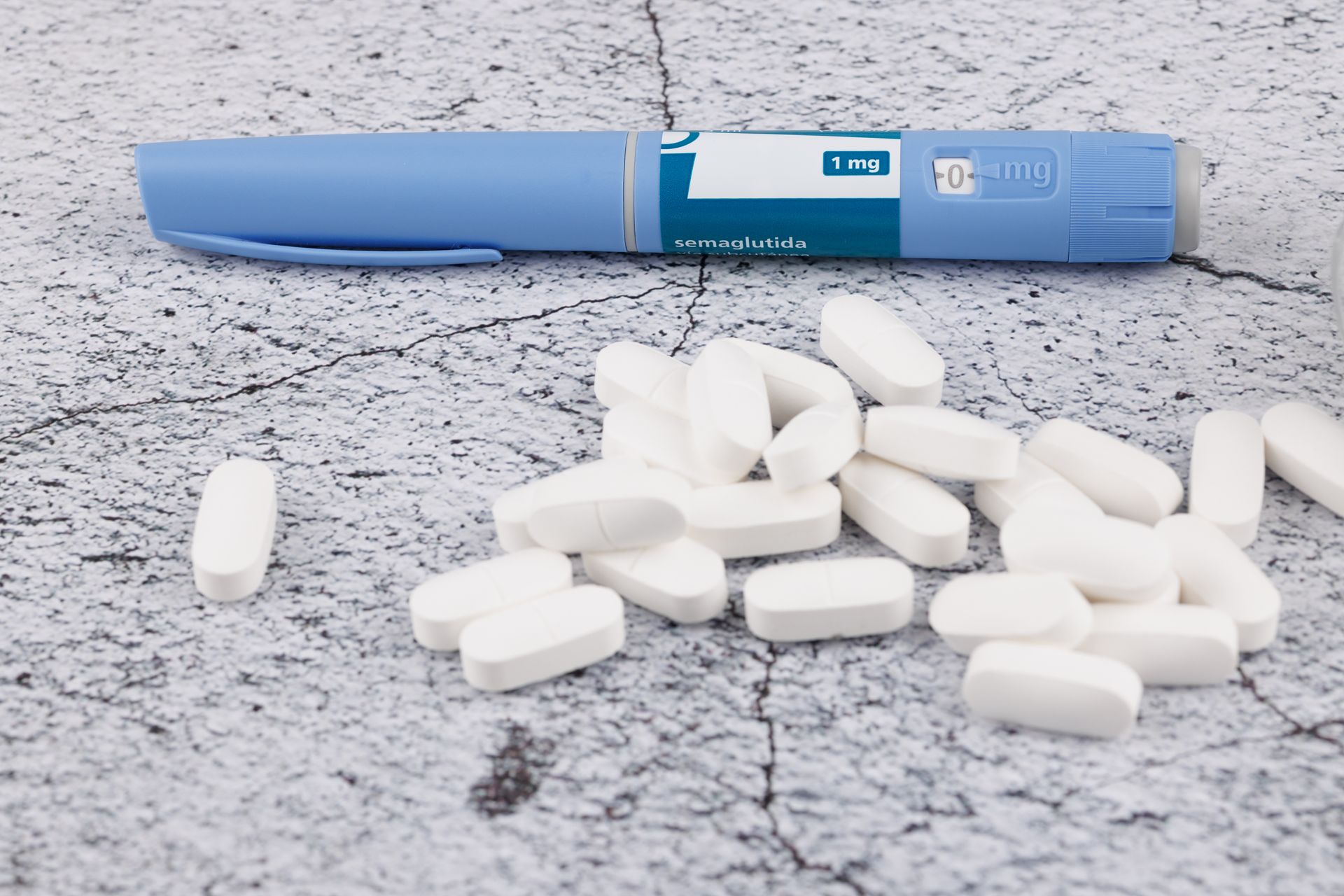
Compare oral semaglutide tablets vs injectable GLP-1 medications. Understand dosing, effectiveness, side effects, cost, and convenience to help choose the right option for you.
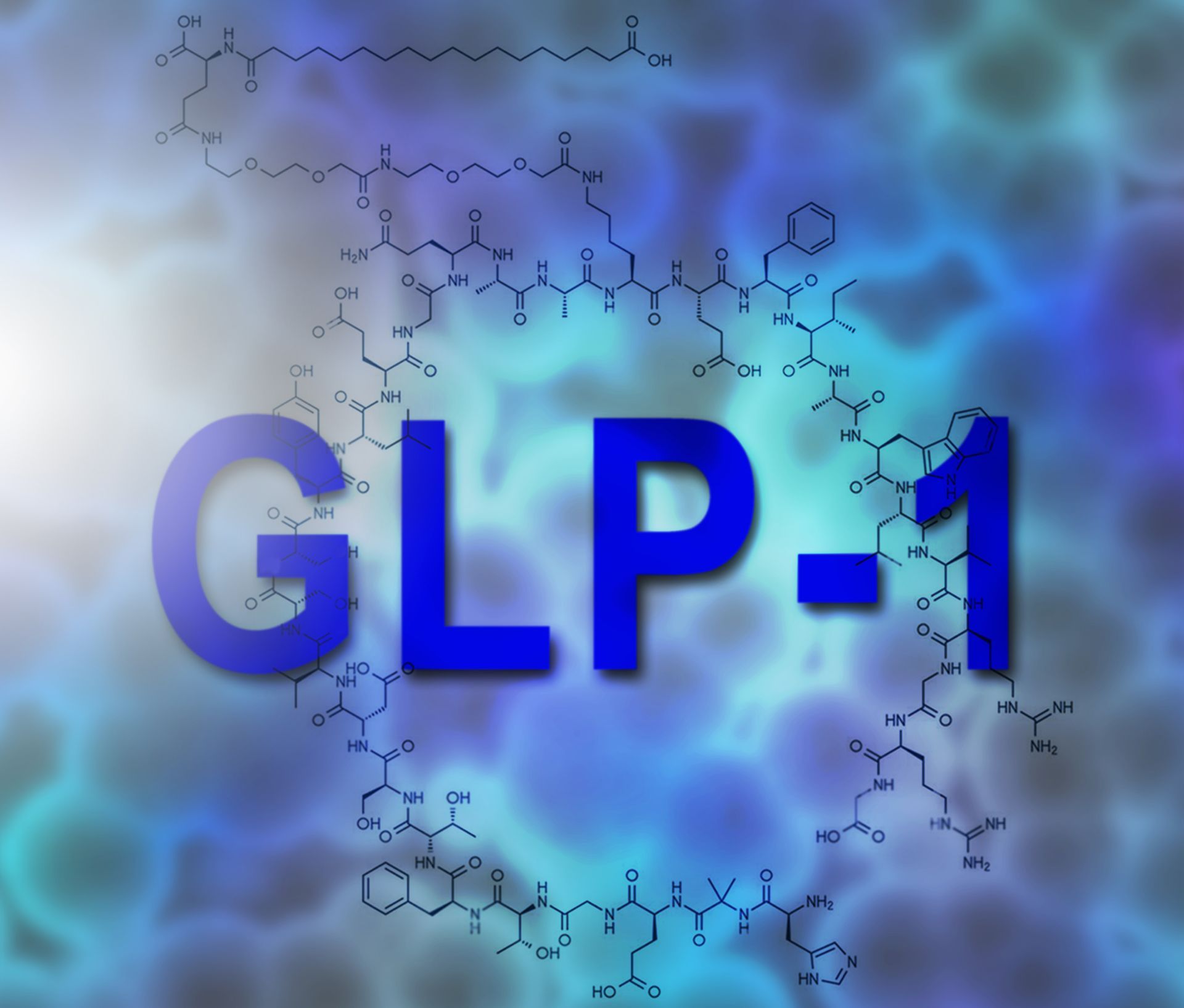
Learn about GLP-1 maintenance dosing and microdosing strategies for long-term weight management. Questions to ask your provider about continuing, tapering, or adjusting your GLP-1 medication.

Compare Virtual WeightCare plans side-by-side. Understand which plan (Access, Essential, Advanced Dose, Oral) matches your needs, budget, and preferences with this complete guide.
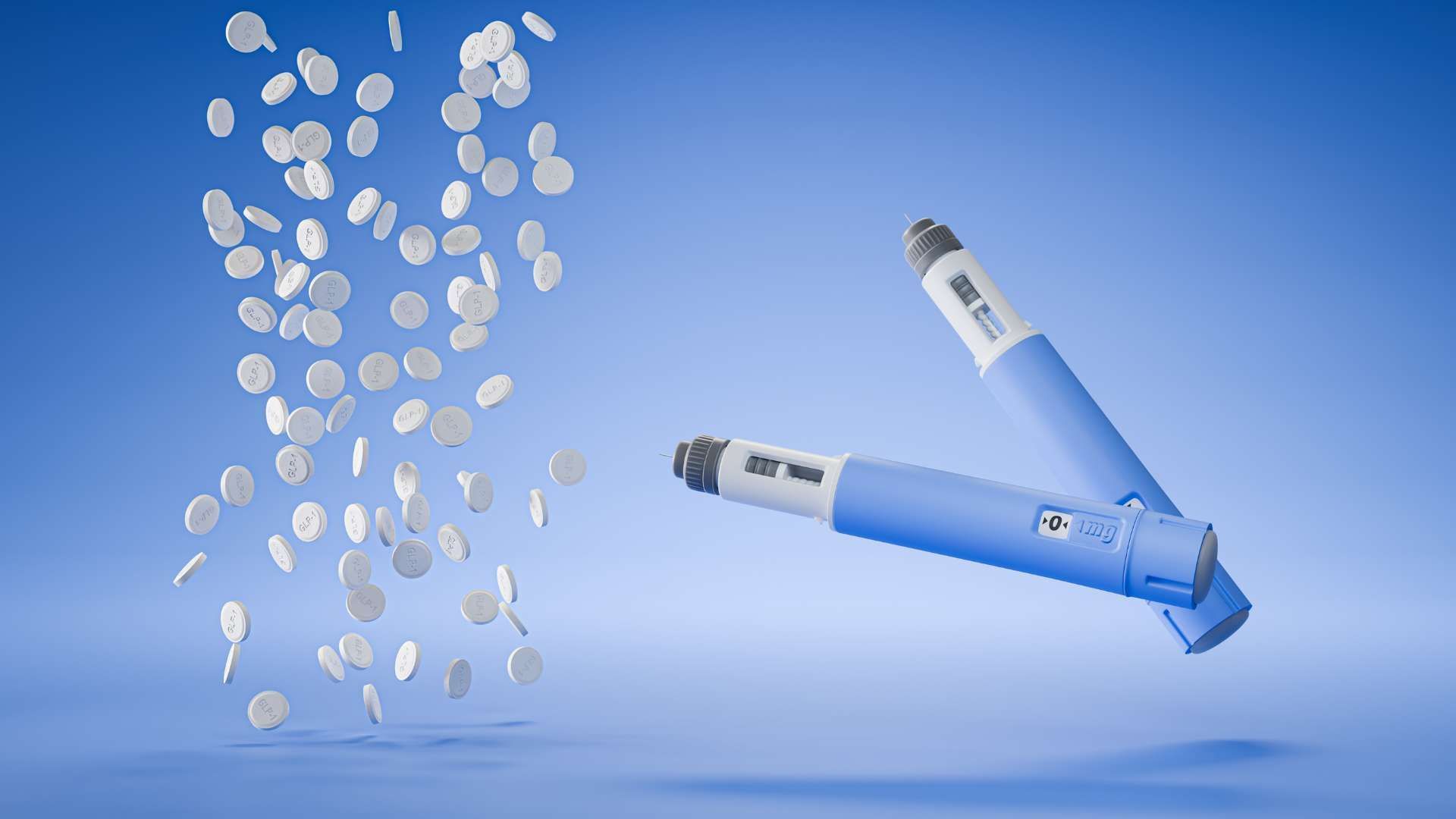
Discover Virtual WeightCare—structured GLP-1 weight management with licensed clinicians, personalized plans, nutrition guidance, and mental health support included in every plan.

Learn about social anxiety disorder, how it differs from shyness, recognize symptoms, understand causes, and discover effective treatment options including medication and therapy.

Learn how group therapy practices can offer comprehensive mental health services including medication management through virtual embedded psychiatric partnerships without hiring costs.

Learn about panic disorder and panic attacks, how to recognize symptoms, what triggers them, and effective treatment options including medication and therapy available through virtual care.
Learn about generalized anxiety disorder (GAD), how to recognize the signs, what causes chronic worry, and effective treatment options including medication and therapy.
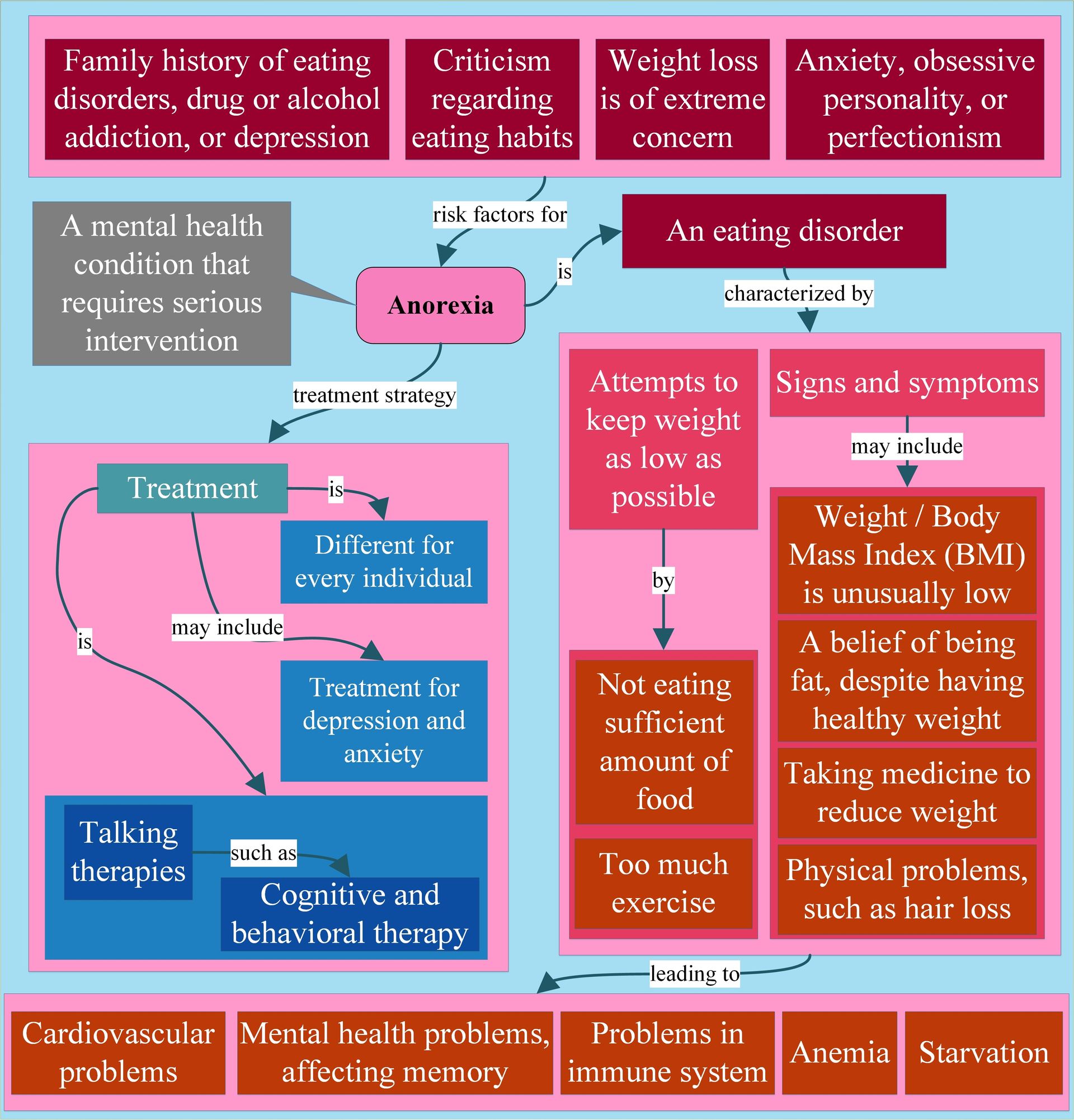
Complete Guide to Virtual Embedded Psychiatric Provider Partnerships for Mental Health Organizations
Discover how virtual embedded psychiatric provider partnerships help mental health practices, corporations, colleges, and treatment programs deliver comprehensive care without hiring costs.

Comprehensive guide to virtual psychiatric care covering all mental health conditions treated, medication management, what to expect from online appointments, and how to get started.