


Oral Semaglutide vs Injectable: A Clinician's Guide
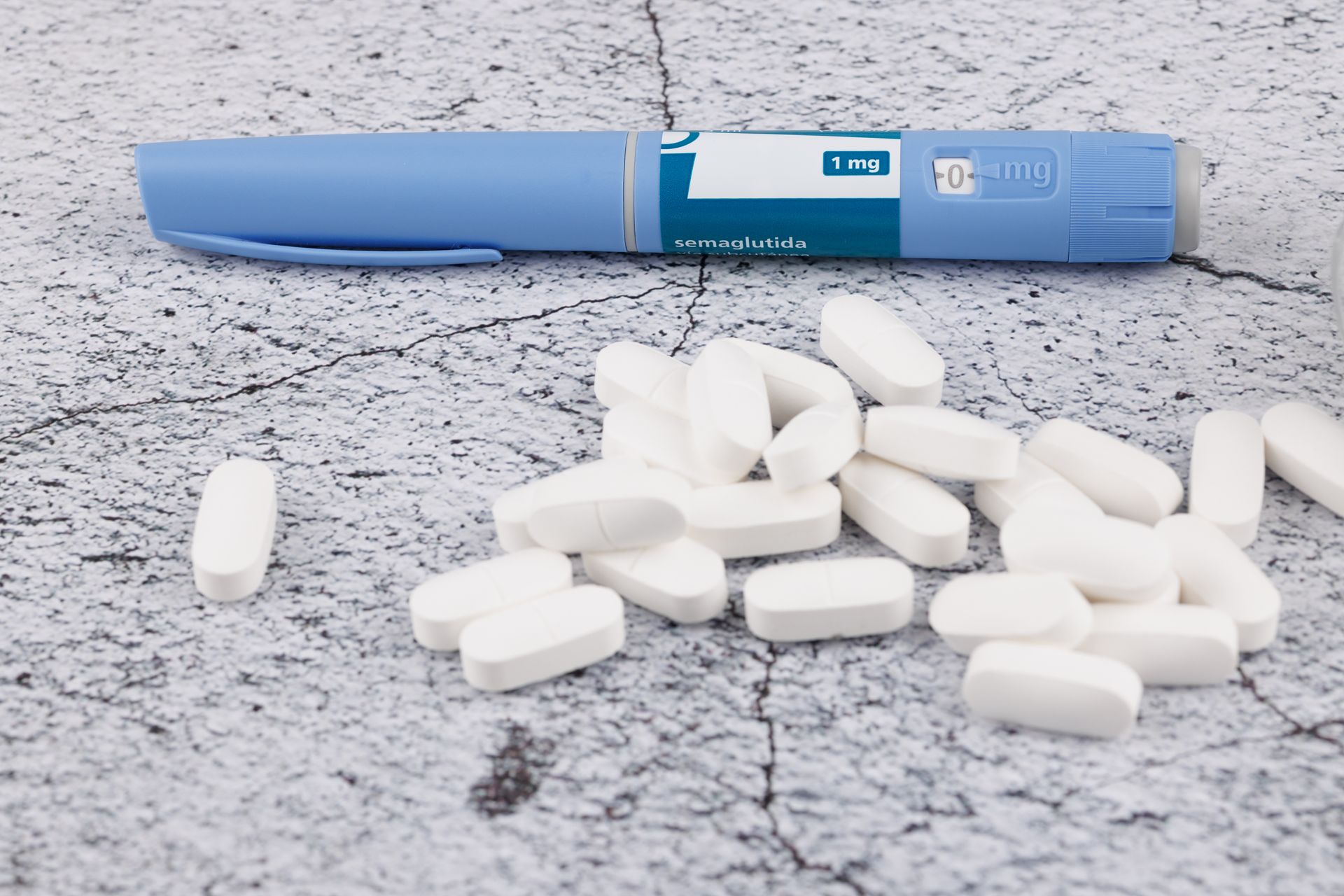
Key Points:
- Oral semaglutide (tablet taken under the tongue) and injectable GLP-1s (semaglutide or tirzepatide injections) work similarly but differ in delivery method, dosing schedule, and absorption
- Oral semaglutide requires consistent daily dosing on an empty stomach, while injectables are typically dosed weekly or once monthly
- Injectable medications (particularly tirzepatide) may produce faster or more significant weight loss, while oral options offer convenience for needle-averse individuals
- Both options are effective for weight management, but individual response varies significantly
- Side effects are generally similar between oral and injectable forms, though some people tolerate one better than the other
- Cost, convenience, lifestyle, and needle anxiety are all legitimate factors in choosing between them
- A licensed provider determines which option is clinically appropriate for you and can help you decide based on your individual situation
- Virtual WeightCare offers both oral (GLP-1 Oral plan) and injectable options (GLP-1 Essential and Advanced Dose plans)
The Choice Between Oral and Injectable GLP-1
You're interested in GLP-1 therapy for weight management. You've decided this is the right approach for you. Now comes a practical decision: do you want to take a daily tablet under your tongue, or inject yourself weekly or monthly?
This might seem like a simple preference question. But it's actually a decision that touches on how medication works in your body, how often you need to think about it, cost, convenience, side effects, and your comfort level with needles.
This guide will help you understand both options so you can have an informed conversation with your provider about which is right for you.
How They Work: The Basic Science
Understanding how oral and injectable GLP-1s work helps clarify the differences between them.
How Oral Semaglutide Works
Oral semaglutide is a tablet you place under your tongue (sublingually). Instead of swallowing it, you let it dissolve and absorb directly through the tissues under your tongue.
Why sublingual? If you swallowed the tablet, your stomach acid would break down the semaglutide before it could be absorbed. Sublingual absorption bypasses your digestive system and allows the medication to enter your bloodstream directly.
Timeline: Takes about 30-60 minutes to absorb. Peak levels reach in about 1 hour.
In your body: Once absorbed, oral semaglutide works identically to injectable semaglutide, mimicking the GLP-1 hormone and suppressing appetite through the same brain mechanisms.
How Injectable Semaglutide Works
Injectable semaglutide (brand names: Ozempic for diabetes, Wegovy for weight loss) is administered as a subcutaneous injection (under the skin, typically in the abdomen, thigh, or arm).
Dosing: Typically once weekly. You inject yourself or have someone inject you.
Timeline: Reaches peak levels in about 1-3 days. Provides steady appetite suppression throughout the week.
In your body: Same active ingredient as oral, same mechanism of action, same effects on appetite and blood sugar.
How Injectable Tirzepatide Works
Injectable tirzepatide (brand names: Mounjaro for diabetes, Zepbound for weight loss) is also a subcutaneous injection, typically once weekly.
Key difference: Tirzepatide works on two hormone receptors (GLP-1 and GIP), not just one like semaglutide. This dual action may produce more significant weight loss for some people.
Dosing: Once weekly injections.
Timeline: Reaches peak levels in about 2-3 days.
In your body: Different mechanism (dual receptor agonist) may explain why some people see greater results with tirzepatide compared to semaglutide.
Dosing Schedules: A Major Practical Difference
The frequency of dosing is one of the biggest practical differences between oral and injectable options.
Oral Semaglutide Dosing
Frequency: Daily
When to take: Every morning on an empty stomach
How to take: Place tablet under your tongue and let it dissolve (don't swallow)
Consistency required: High. Missing doses affects your appetite suppression that day.
Lifestyle implications: You need to remember to take it every single day, first thing in the morning before food.
Flexibility: Less flexible for travel or schedule changes, since missing a dose means missing a day of appetite suppression.
Injectable Semaglutide Dosing
Frequency: Once per week
When to inject: Same day each week (e.g., every Monday)
How to inject: Subcutaneous injection in abdomen, thigh, or arm (self-injection or provider injection)
Consistency required: Moderate. Missing a week affects your appetite suppression that week, but you can catch up the following week.
Lifestyle implications: One day per week you need to think about injecting. The other six days, the medication is doing its work.
Flexibility: Slightly more flexible. If you travel, you can inject before or after your usual day. Missing a week is less ideal than missing an injection, but manageable.
Injectable Tirzepatide Dosing
Frequency: Once per week (same as semaglutide)
When to inject: Same day each week
How to inject: Subcutaneous injection
Consistency required: Moderate
Lifestyle implications: One injection per week
Flexibility: Similar to semaglutide
What This Means Practically
If you choose oral: You're committing to a daily medication routine. This works well if you already take daily medications or maintain a consistent morning routine. It's more challenging if your schedule is chaotic or you travel frequently.
If you choose injectable: You're thinking about medication once per week. You need to remember your injection day. Some people find this easier than daily medication. Others find any medication frequency challenging.
Your medication adherence matters more than which you choose. If daily pills work better for your lifestyle, oral is better. If once-weekly works better, injectable is better.
Effectiveness: Does One Work Better Than the Other?
This is a crucial question. Does oral semaglutide work as well as injectable semaglutide? Does tirzepatide work better than either semaglutide option?
Oral Semaglutide Effectiveness
Research shows oral semaglutide produces meaningful weight loss. Studies indicate:
Average weight loss: Approximately 8-12% of body weight over 6-12 months, depending on the dose and individual response.
Effectiveness for appetite suppression: Works similarly to injectable semaglutide. People report reduced hunger and increased satiety.
Comparison to injectable semaglutide: Research suggests oral and injectable semaglutide produce comparable weight loss when dosed appropriately.
Important note: Individual response varies significantly. Some people lose substantial weight. Others see modest results. Genetics, lifestyle, stress, sleep, and other factors all play roles.
Injectable Semaglutide Effectiveness
Research on injectable semaglutide shows:
Average weight loss: Similar to oral semaglutide, approximately 8-12% of body weight, with some people achieving greater loss.
Consistency: Well-established with longer track record than oral formulations.
Maximum dosing: Wegovy (weight loss formulation) maxes out at 2.4mg weekly. Some people reach this dose and stabilize. Others continue losing on this dose.
Injectable Tirzepatide Effectiveness
This is where things get interesting. Tirzepatide appears to produce greater weight loss than semaglutide for many people.
Average weight loss: Studies show approximately 15-22% of body weight over 6-12 months, which is notably higher than semaglutide alone.
Why greater loss? Tirzepatide's dual mechanism (GLP-1 and GIP receptor agonism) appears more powerful than semaglutide's single mechanism for many people.
Important caveat: Greater weight loss doesn't mean it's "better" for everyone. Some people tolerate semaglutide better. Some prefer oral. Some have better mental health outcomes with one vs. the other. Effectiveness is individual.
Cost consideration: Tirzepatide is often more expensive than semaglutide.
What Your Provider Should Tell You
Your provider should discuss:
- Realistic expectations for your weight loss based on your situation
- Whether tirzepatide's dual mechanism might be particularly helpful for you
- Your individual factors that might influence effectiveness
- That effectiveness varies and your body will tell you how well something works
- That the "best" medication is the one that works for you and that you can tolerate
Side Effects: Are They Different?
Side effects are often similar between oral and injectable options, but some differences exist.
Common Side Effects (Both Oral and Injectable)
Gastrointestinal side effects:
- Nausea (most common)
- Vomiting
- Constipation
- Diarrhea
- Loss of appetite
- Abdominal discomfort
Other side effects:
- Fatigue
- Dizziness
- Taste changes
- Headache
Timeline: Most side effects are most pronounced in the first 2-4 weeks and improve as your body adjusts. Some persist but become manageable.
Oral-Specific Considerations
Mouth/tongue irritation: Rare, but some people experience mild irritation where the tablet dissolves under the tongue.
Consistency of absorption: Absorption depends on consistent empty stomach. Food or drink before taking the tablet can reduce effectiveness. This creates an additional factor to manage.
Daily reminder burden: Daily dosing requires daily attention. For some people, this creates daily side-effect awareness. For others, it's just routine.
Injectable-Specific Considerations
Injection site reactions: Rare but possible: redness, swelling, or bruising at injection site. Usually resolves quickly.
Needle anxiety: For people with needle fear, weekly injections can be emotionally challenging even if physical side effects are manageable.
Injection-related discomfort: Mild pain at injection site is possible but unusual with modern small-gauge needles.
Tirzepatide-Specific Considerations
Side effects: Generally similar to semaglutide, but some people report slightly different tolerability. No clear pattern of "more" or "fewer" side effects, just different individual experiences.
Gagging sensation: Some people report more nausea with tirzepatide, though this varies widely.
Important: Mental Health and Side Effects
This is where Virtual Psychiatric Care's psychiatric expertise matters. Side effects aren't just physical. They're psychological too.
For some people:
- Daily nausea affects mood and motivation
- Injection anxiety affects mental health
- Persistent vomiting impacts self-confidence
- Appetite loss can feel distressing if not expected
For others:
- The side effects are brief annoyances
- Appetite loss is exactly what they wanted
- Injections are no big deal
Your provider should explore:
- How are side effects affecting your mental health?
- Is the nausea manageable for you, or is it distressing?
- Is daily medication affecting your mood or motivation?
- Is injection anxiety a real barrier for you?
Mental health matters as much as physical tolerability.
Cost: A Significant Factor
Cost often influences the choice between oral and injectable, and between semaglutide and tirzepatide.
Oral Semaglutide Cost
With Virtual WeightCare Oral plan: $249/month, medication included
With insurance (if covered): Varies widely depending on your plan
Generic/compounded options: Potentially less expensive, but availability and insurance coverage varies
Injectable Semaglutide Cost
With Virtual WeightCare Essential plan: $329/month for compounded semaglutide (any dose)
Brand-name (Wegovy) with insurance: Copay depends on your plan, often $200-500+/month
Compounded vs. brand-name: Compounded options are typically less expensive
Injectable Tirzepatide Cost
With Virtual WeightCare Essential plan: $329/month for tirzepatide up to 5mg
With Virtual WeightCare Advanced Dose plan: $399/month for tirzepatide 7.5mg+
Brand-name (Zepbound) with insurance: Often $300-600+/month depending on plan
Compounded vs. brand-name: Compounded typically less expensive
Cost-Benefit Analysis
Cheapest option: Oral semaglutide at $249/month with Virtual WeightCare.
Most expensive: Brand-name tirzepatide at high doses, potentially $600+/month.
Most effective (for many people): Tirzepatide, but costs more.
Most convenient (daily meds vs weekly): Injectable (once weekly), but costs slightly more than oral.
Important: Cost matters, but effectiveness and tolerability matter too. The cheapest option that doesn't work for you is actually the most expensive. The more expensive option that produces results you're happy with might be better value.
Convenience and Lifestyle Factors
Beyond medication schedules, other lifestyle factors influence the choice.
Travel and Schedule Flexibility
Oral semaglutide: Requires daily dosing on empty stomach. Travel across time zones requires adjustment. You need to remember daily. Less flexible.
Injectable (weekly): Can inject before or after your usual day. Easier to adjust for travel. Still requires remembering once weekly. Somewhat more flexible.
Needle Anxiety
Oral: No needles involved. Significant advantage for people with needle fear.
Injectable: Requires comfort with needles. For some people, this is a non-issue. For others, it's a real barrier.
Important: Don't underestimate needle anxiety. If needles are genuinely distressing, oral might be better despite other advantages of injections.
Discrete Medication
Oral: Can take pill privately, any time (on empty stomach). Invisible to others.
Injectable: Visible if injecting in front of others. Some people find this embarrassing. Others don't mind. Personal factor.
Monitoring and Appointments
With Virtual WeightCare: Both oral and injectable plans include regular provider appointments. No difference here.
Social and Family Considerations
Oral: Partner or family might not know you're taking medication (if you prefer privacy).
Injectable: Partner might be aware (if you inject in front of them). Some people like partner involvement. Others prefer privacy.
Questions to Ask Your Provider About Choosing Between Them
Don't leave this decision to chance. Have explicit conversations with your provider.
Effectiveness Questions
"Based on my situation, would you expect oral or injectable to work better for me?" Your provider can assess your individual factors and give guidance.
"If I choose oral first and it doesn't work well, can I switch to injectable?" You should know whether switching is possible.
"For significant weight loss, do you typically recommend tirzepatide over semaglutide?" Ask your provider's philosophy and why.
Tolerability Questions
"Do you see significant differences in how people tolerate oral vs. injectable?" Your provider might have clinical observations.
"If I choose one and can't tolerate it, how easily can I switch?" Switching should be possible, but ask about the process.
"Do you have concerns about either option for me specifically?" Medical considerations might favor one over the other.
Practical Questions
"Given my lifestyle and schedule, which would be more realistic for me?" Your provider knows you and can advise.
"I have needle anxiety. Is oral semaglutide still effective, or would I be better with tirzepatide injections?" Your provider can help you weigh this.
"Cost is a factor for me. What's the most cost-effective option that will still work?" If budget matters, discuss it openly.
Mental Health Questions
"How will either option affect my mental health or motivation?" Psychiatric providers specifically consider this.
"If I choose daily medication, will that affect my sense of autonomy or control?" Some people feel empowered by structured daily routines. Others feel restricted. This is worth exploring.
"Are there mental health factors that would make you recommend one over the other?" Your psychiatric provider should consider this.
Long-Term Questions
"If I start with oral and want to switch to injectable later, would that be easy?" Flexibility matters for long-term satisfaction.
"Which option would be better for long-term maintenance?" If you're thinking about staying on medication long-term, ask about this.
"Is there any reason you'd recommend one over the other for my long-term goals?" Your provider's perspective on sustainability matters.
Special Considerations for Specific Situations
If You Have Diabetes and Obesity
Both oral and injectable options treat both conditions. Your provider will consider your diabetes control when recommending medication.
If You Have Significant Weight to Lose
Tirzepatide's greater weight-loss potential might be advantageous. But oral semaglutide works too. Individual response matters more than medication choice.
If You're Needle-Averse
Oral semaglutide is the logical choice. But talk to your provider about whether the oral option is clinically equivalent for you.
If You Have a Chaotic or Inconsistent Schedule
Weekly injections might be more realistic than daily oral medication. But discuss this honestly.
If You Have Nausea or GI Sensitivity
Both options cause GI side effects. Neither is inherently better. Your provider can help you manage or choose the form most likely to be tolerable.
If You're Concerned About Long-Term Medication Use
This doesn't favor oral or injectable. But it's worth discussing with your provider.
If You Want to Microdose for Maintenance
Both oral and injectable can be microdosed. Oral might be easier to dose precisely. Discuss with your provider.
Virtual WeightCare Plans: Oral vs. Injectable Options
Virtual WeightCare makes both oral and injectable options available in their plans.
Oral Option: GLP-1 Oral Plan ($249/month)
What you get:
- Oral sublingual compounded semaglutide
- Monthly provider visits
- All support and resources included
Best for:
- Needle-averse individuals
- People who prefer daily medication
- Those wanting the lowest-cost medication option
Important: Your provider determines if oral semaglutide is clinically appropriate for you.
Injectable Options: Essential and Advanced Dose Plans
GLP-1 Essential ($329/month or $849/3 months):
- Compounded semaglutide (any dose) or tirzepatide (up to 5mg), weekly injection
- Monthly or every-3-month provider visits
- All support and resources
GLP-1 Advanced Dose ($399/month or $1,099/3 months):
- Higher-dose tirzepatide (7.5mg+), weekly injection
- Extra provider visit with 3-month plan
- All support and resources
Switching Between Options
Can you start with one and switch to another?
Likely yes, but discuss with your provider. You can change plans at your next billing date.
Example scenario: Start with Oral plan ($249/month). After three months, decide you want to try injectable tirzepatide. Switch to Essential ($329/month) at your next billing cycle.
Contact Virtual WeightCare at 786-761-1155 (Monday-Friday, 8am-8:30pm EST) to discuss switching options.
FAQs About Oral vs. Injectable
Is oral semaglutide as effective as injectable?
Research suggests they're similarly effective for most people. Individual response varies. Your provider can discuss what to expect.
Why would someone choose oral if injectable is more effective for some people?
Needle anxiety, preference for daily medication, cost, convenience, or having side effects with injectable. The "best" medication is the one that works for you.
Can you switch from oral to injectable midway?
Likely yes. Discuss with your provider. Switching usually happens at your next billing date with your plan.
Is compounded semaglutide or tirzepatide as good as brand-name?
Compounded medications are prepared by licensed pharmacies using FDA-grade ingredients. Quality is regulated. Effectiveness is comparable. Cost is typically lower.
What if I try one and it doesn't work?
Discuss other options with your provider. Switching is possible. Some people try oral first, then injectable. Others start with injectable.
How do I know which to choose?
Start with an honest conversation with your provider about:
- Your needle anxiety (or comfort level)
- Your lifestyle and medication schedule
- Your willingness to inject weekly
- Cost concerns
- Your expectations for weight loss
Your provider can then recommend which is most appropriate.
Can I take oral semaglutide if I take other medications?
Most medications are compatible. Your provider assesses your full medication list for interactions. Timing matters (oral semaglutide requires empty stomach).
What if I have side effects with injectable?
Discuss with your provider. Options include:
- Waiting (many side effects improve)
- Dose adjustment
- Switching to oral semaglutide
- Trying a different medication
Does insurance cover both oral and injectable?
Coverage varies. Your insurance might cover injectable brand-name (Wegovy, Zepbound) but not oral. Or vice versa. Check with your insurance plan.
Are there compounded versions of both?
Yes. Both compounded oral semaglutide and compounded injectable semaglutide and tirzepatide are available through licensed pharmacies.
FAQs About Virtual WeightCare Options
Can I switch from Oral plan to Essential plan?
Yes. You can change plans at your next billing date. Contact Virtual WeightCare to make the switch.
What if I want to try tirzepatide but started with semaglutide?
Discuss with your provider. If they recommend tirzepatide, you can switch to Essential (up to 5mg) or Advanced Dose (7.5mg+) plan at your next billing date.
Does Virtual WeightCare recommend one over the other?
Virtual WeightCare offers both because different people have different needs. Your provider will recommend what's best for you.
How quickly can I change from one option to another?
At your next billing date. In the interim, you stay on your current plan. Contact Virtual WeightCare to schedule the change.
Is the provider appointment process different for oral vs. injectable?
No. All plans include provider consultations, ongoing visits, and support team contact (Monday-Friday, 8am-8:30pm EST).
What if my provider changes which medication they recommend?
You can discuss switching plans. It's possible mid-treatment if your provider determines a different medication would be better.
Making Your Decision
Choosing between oral and injectable isn't a permanent decision. It's the right choice for you right now, based on your situation, preferences, and what your provider recommends.
Key takeaways:
- Oral and injectable are both effective
- Individual response varies significantly
- Practical factors (needle anxiety, schedule, cost) matter
- Your provider should help you decide
- Switching between options is possible
Your next step:
If you're with Virtual WeightCare, discuss your preference with your provider. Tell them:
- Your needle comfort level
- Your medication schedule preference
- Your budget considerations
- Your expectations for weight loss
Your provider will then recommend which option is best for you and discuss realistic expectations.
Not with Virtual WeightCare yet?
Virtual WeightCare offers both oral and injectable options across their plans. Choose the plan that matches your preference and let your provider guide you.
Call: 786-761-1155 (Monday-Friday, 8am-8:30pm EST)
Email: Support@VirtualPsychiatricCare.com
Online:
Browse Plans
Resources
Learn more about Virtual WeightCare:
- Virtual WeightCare Plans
- How It Works
- How to Choose the Right Plan
- Virtual WeightCare: Weight Loss That's Actually Supported
- Complete Guide to Virtual Psychiatric Treatment
Other Virtual WeightCare Blogs:
Ready to Get Started?
Both oral and injectable options are available through Virtual WeightCare. Whether you prefer daily tablets or weekly injections, a licensed provider will work with you to determine which is best for your situation and goals.
Choose Your Plan:
- GLP-1 Oral Plan ($249/month)
- GLP-1 Essential Plan ($329/month - injectable)
- GLP-1 Advanced Dose Plan ($399/month - higher-dose injectable)
Questions?
Contact Virtual WeightCare or call 786-761-1155 (Monday-Friday, 8am-8:30pm EST)
Virtual WeightCare
Oral, Injectable, or Both—We Support Your Weight Loss Journey
Disclaimer: The information provided on this blog is for general informational purposes only and is not intended as, and should not be considered, medical advice. All information, content, and material available on this blog are for general informational purposes only. Readers are advised to consult with a qualified healthcare professional for medical advice, diagnosis, or treatment. The author and the blog disclaim any liability for the decisions you make based on the information provided. Always seek the advice of your physician or other qualified health provider with any questions you may have regarding a medical condition.






Complete Guide to Virtual Embedded Psychiatric Provider Partnerships for Mental Health Organizations