

The Impact Of Tik Tok On Mental Health And How To Handle It
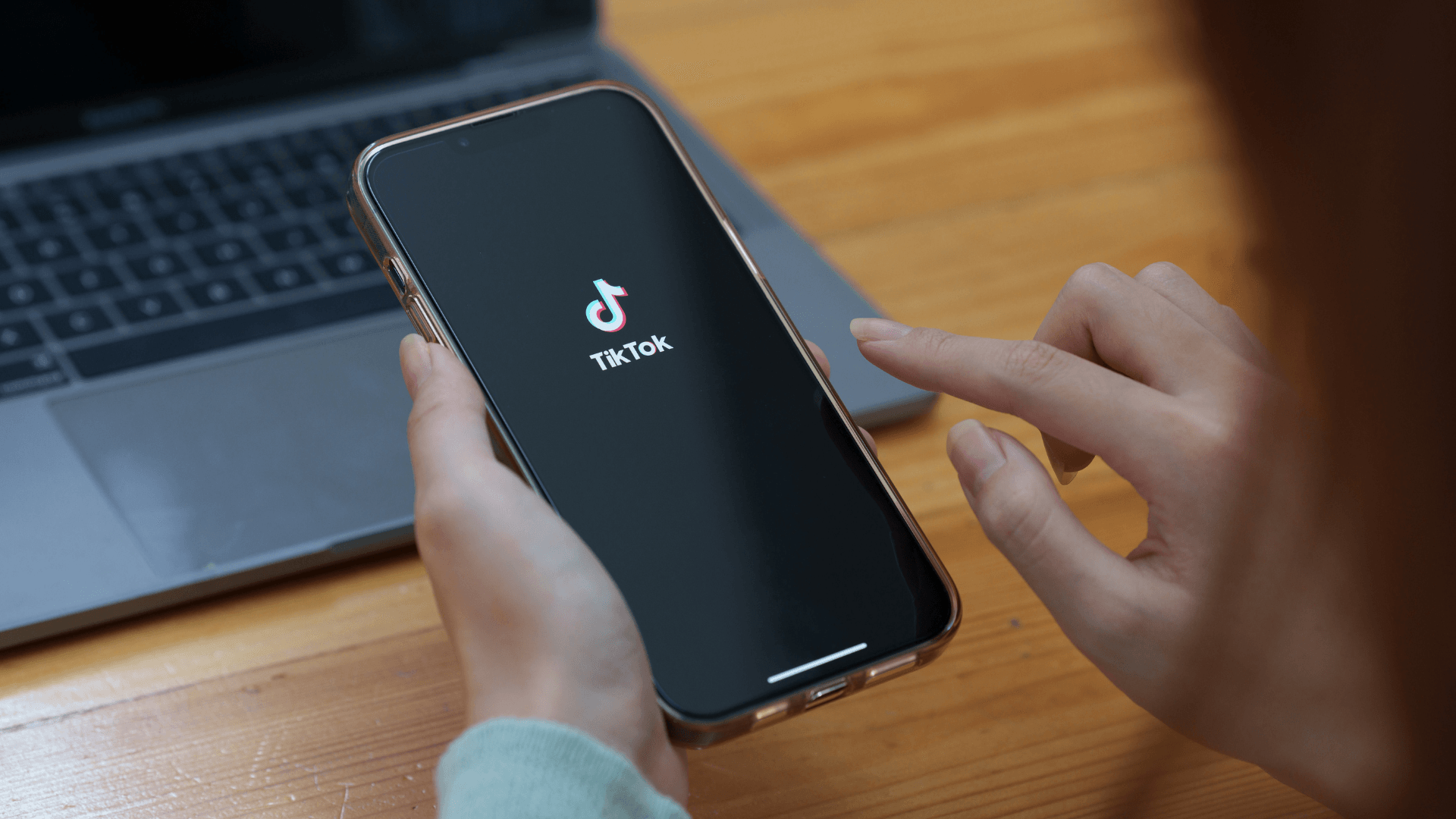
There are many social media apps and platforms that have become popular in the last few years. TikTok has become one of the most iconic ones, for both the good and bad sides to it. It's a platform you can use to share videos on your phone or watch other people's videos, and with it's popularity on the rise, there are many concerns being thrown out as to what it could mean for our society as a whole.
Mental health is a touchy subject, and one that should be taken seriously. It's no secret that social media can have a negative impact on our mental health. We've all seen the stories or even experienced it ourselves; comparing our lives to others, feeling left out or not good enough, feeling anxious about what others think of us. TikTok is no different.
- Introduction
- What is Tik Tok?
- How Does it Affect Mental Health
- Ways to Deal with Mental Health Issues Caused by Tik Tok
- Final Thoughts
Let's discuss an overview of Tik Tok and How It Affects Mental Health
Introduction
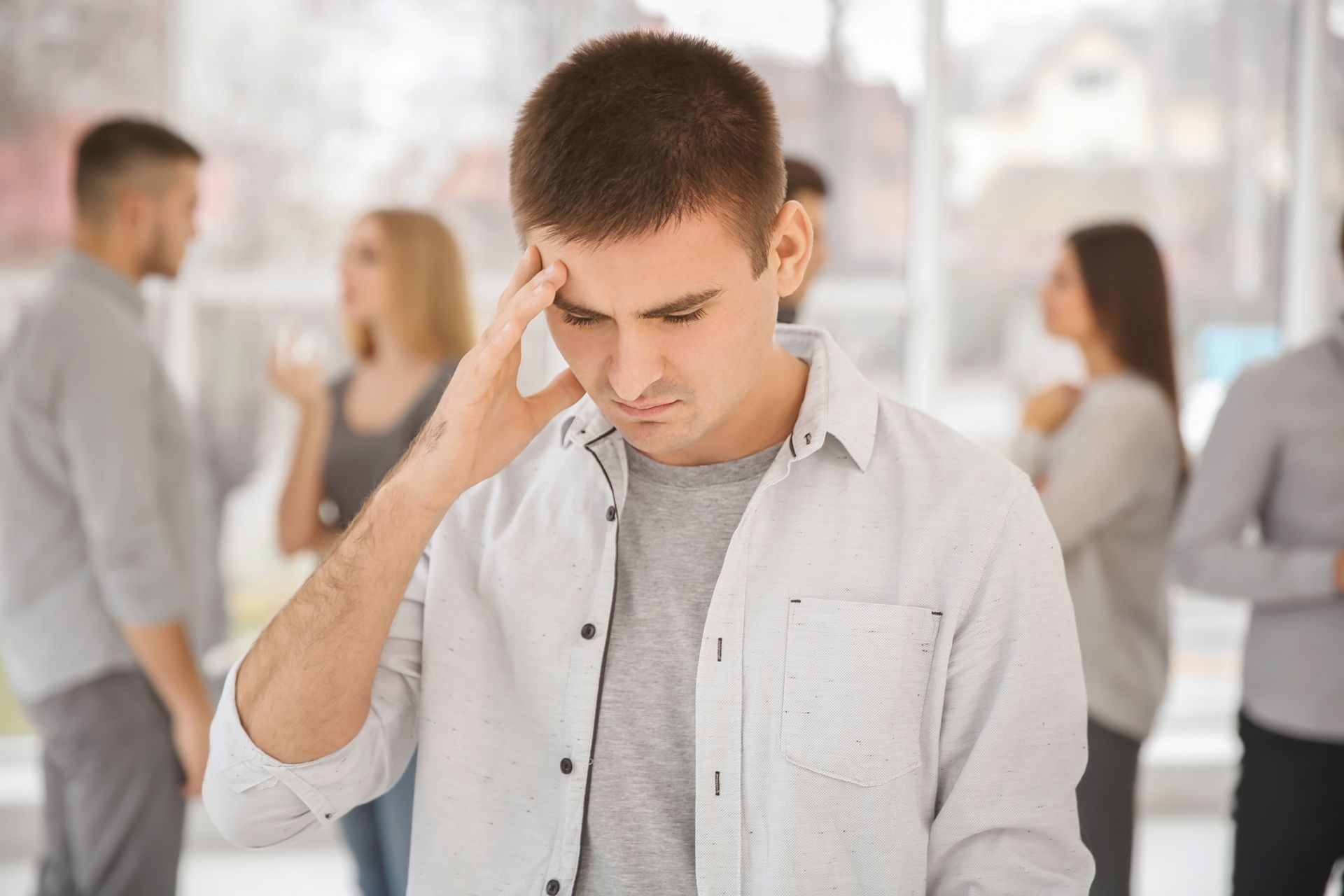
TikTok has taken the world by storm, and with it comes a new set of challenges for mental health. The constant stream of content can be overwhelming, and the pressure to be perfect can be damaging. Here are some tips on how to deal with the impact of TikTok on your mental health.
1. Take a break from time to time. It's important to give yourself a break from the constant stream of content. Take some time for yourself every day, even if it's just for a few minutes.
2. Be mindful of the pressure to be perfect. Remember that no one is perfect, and that you don't have to be either. Accepting yourself for who you are is an important part of mental health.
3. Seek professional help if you're struggling. If you find that you're struggling to cope with the impact of TikTok on your mental health, seek professional help. A therapist can help you work through any challenges you're facing.
What is Tik Tok?
Tik Tok is a social media app where users can share short videos of themselves. It has become increasingly popular in recent years, especially among young people. However, there is growing concern about the impact Tik Tok can have on mental health.
There are a number of reasons why Tik Tok may be harmful to mental health. Firstly, the pressure to be constantly creating and sharing content can be extremely stressful. Secondly, the app encourages users to compare themselves to others, which can lead to feelings of inadequacy and low self-esteem. Finally, the constant stream of videos can be overwhelming and cause anxiety.
If you are concerned about the impact Tik Tok may be having on your mental health, there are a few things you can do. Firstly, try to limit the amount of time you spend on the app. Secondly, take breaks from it regularly. Thirdly, unfollow any accounts that make you feel negative emotions such as envy or insecurity. Finally, remember that what you see on Tik Tok is not always an accurate representation of reality – so don't compare yourself to others!
How Does Tik Tok Affect Mental Health?
There is no denying that social media can have a negative impact on mental health. The constant comparison to others, the need to be "perfect" and the pressure to keep up with the latest trends can all take a toll. TikTok is no exception.
The short-form video app has taken the world by storm, amassing over 800 million active users. It's a great platform for creativity and self-expression, but it can also be harmful.
TikTok encourages users to film themselves in risky situations, perform dangerous stunts and engage in potentially harmful behaviors. This can lead to anxiety, depression and even suicidal thoughts.
It's important to be aware of the potential risks of using TikTok and to take steps to protect your mental health. If you're concerned about how TikTok is affecting your mental health, talk to a doctor or mental health professional.
Ways to Deal with Mental Health Issues Caused by Tik Tok
If you find yourself feeling down or anxious after spending time on Tik Tok, there are a few things you can do to help ease your symptoms. First, try to limit the amount of time you spend on the app each day. If you can only commit to 10-15 minutes, that’s fine. Secondly, make sure you take breaks throughout the day and do other activities that make you happy. Maybe put your phone down and read a book for a little while or go for a walk outside. Lastly, don’t be afraid to talk to someone about how you’re feeling. A trusted friend or family member can be a great sounding board and may even have some helpful advice. If your symptoms are severe or persist despite these efforts, it may be time to seek professional help from a therapist or counselor.
Final Thoughts
In conclusion, Tik Tok can have a negative impact on mental health, but there are ways to handle it. If you find yourself spending too much time on the app, try setting limits for yourself. Make sure to take breaks and do other activities that make you happy. Lastly, don't be afraid to reach out for help if you're feeling overwhelmed.






Complete Guide to Virtual Embedded Psychiatric Provider Partnerships for Mental Health Organizations