
Social Media and Mental Health: How Is It Connected?
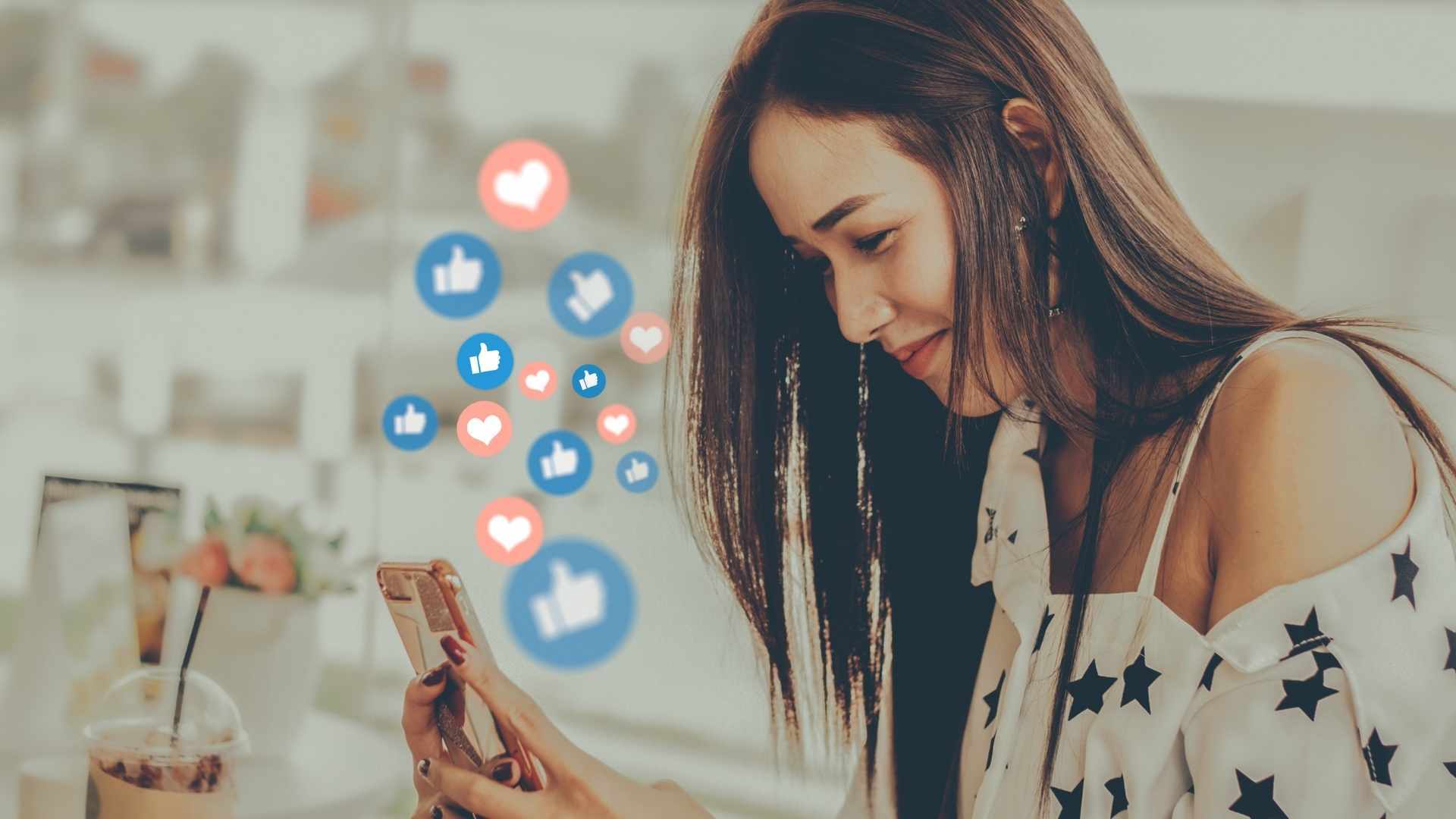
The use of social media has its pros and cons. We need to look closely at the relationship between social media and mental health because there are so many positive and negative aspects.
While posting on Facebook, Instagram, TikTok, and Twitter can be entertaining and appear like a harmless way to interact with others, there's frequently more to the tale.
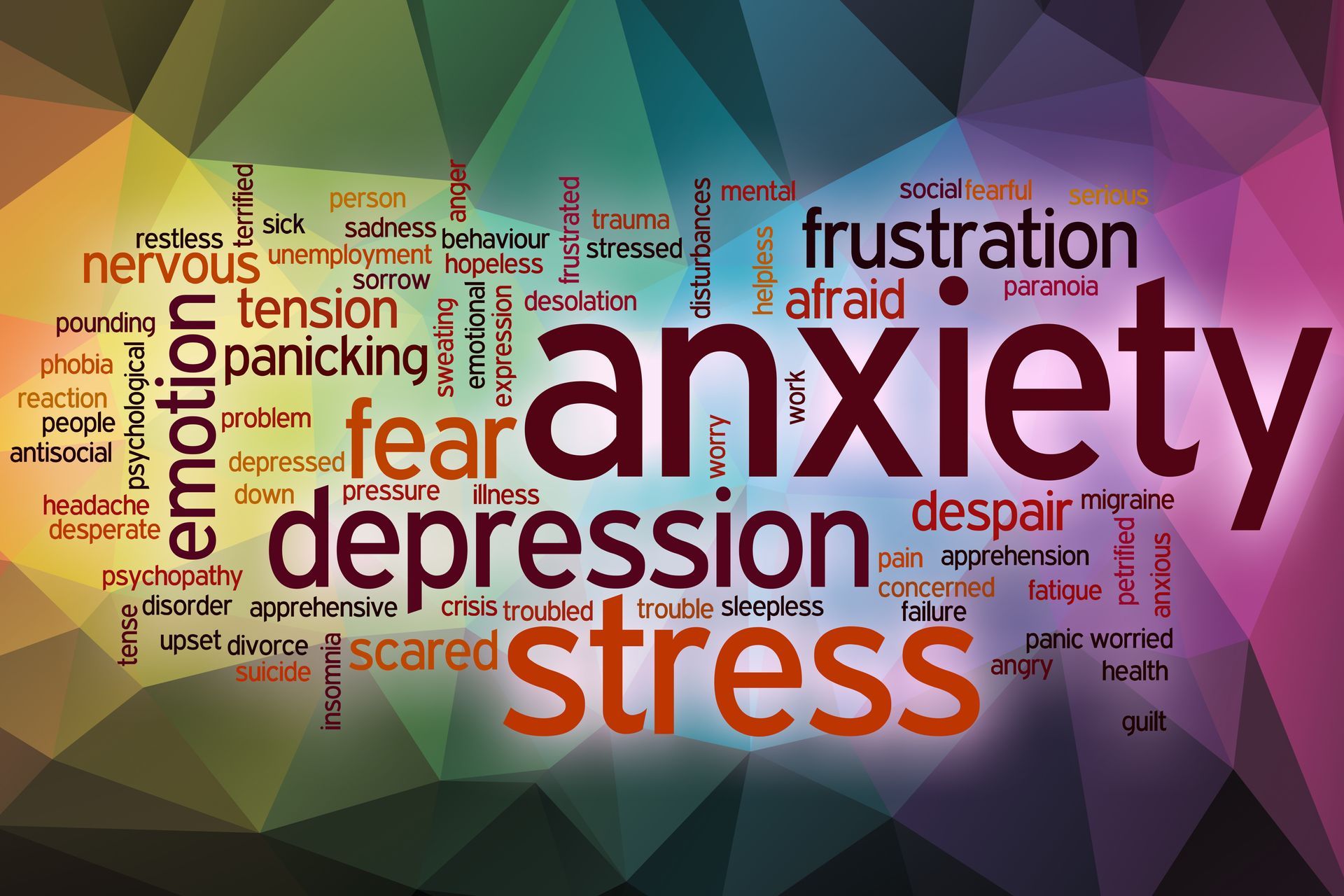
Social media can indeed be informative, possibly calming, and even a much-needed vacation from the pressure and stress of daily life, but anything in excess can be harmful. We don't talk about excessive social media use enough, although it can cause chronic stress, sadness, and anxiety.
- Social Media and Mental Health
- Positives of Social Media
- The Negatives of Social Media
- How to Tell if Social Media is Effecting Your Mental Health
- How to Minimize the Effects
- Final Thoughts
Continue reading to find out how to use social media in a balanced way that will allow you to reap its advantages while minimizing, if not eliminating, any potential drawbacks.
Social Media and Mental Health
Is social media detrimental to one's mental health? Yes, it can be for some people, is the quick response. However, each person's experience with social media will differ in its impact on mental health. It might even improve mental health for individuals.
Anxiety, stress, and sadness are known to be decreased by human connection. Socializing can increase happiness and joy while boosting self-esteem, preventing loneliness, and teaching us how to navigate and deal with life's obstacles.
Today, a lot of individuals use social media sites like Facebook, YouTube, Twitter, and others to interact with others and build relationships. Nevertheless, despite the fact that it is frequently a pleasant and beneficial experience, face-to-face contacts still outweigh digital relationships.
It's time to reevaluate your connection with social media if you spend a lot of time there and see that your feelings of loneliness, melancholy, irritation, or overall unhappiness have grown. Use the knowledge and advice we've provided here to change how, when, and how much you use social media so you can strike a healthy balance.
Positives of Social Media
Social media isn't necessarily a bad thing. As we've already said, when used properly, it can improve some people's mental health. Although virtual social contacts don't have the same psychological advantages as in-person encounters, they can nonetheless keep us in touch with our loved ones, which ultimately improves wellbeing.
The following are some additional advantages of social media:
- maintaining relationships with loved ones, especially those who are far away
- raising awareness of important issues and beneficial causes
- connecting with those who share your interests and goals
- expressing your thoughts
- supplying a venue for sharing and promoting creative works
- obtaining emotional support through difficult or trying circumstances
- establishing new connections and friendships
- gaining important knowledge and researching
- promoting a company or brand
The Negatives of Social Media
Despite all of its many advantages, social media also has some very noticeable, and frequently serious, disadvantages. It's crucial that we examine all sides of the issue and start to properly consider the negative parts of social media when examining how it affects mental health.
Why are social networks bad? Overusing social media can start a vicious loop that keeps repeating itself. Social media usage may increase if you're feeling down, lonely, stressed out, or anxious. You may believe it is benefiting you, bringing you joy, providing entertainment, and strengthening your sense of community.
However, overusing social media can lead to emotions of discontentment, loneliness, and inadequacy. These emotions may then trigger or exacerbate anxiety, tension, and despair, the very emotions you could experience.
How to Tell if Social Media is Effecting Your Mental Health
There are various indicators that your use of social media is developing into (or has already developed into) an unhealthy habit.
One major one is to avoid face-to-face interactions, especially if you used to be a gregarious person who enjoyed meeting new people and had plenty of friends.
Realizing that your priorities have altered could be another important indicator. Take notice of it if, for instance, you once took pride in, spent a lot of time on, and wanted to succeed at something like school or work, but now it's different. You should start investigating what changed if you notice that you suddenly lack motivation or feel apathetic.
Other indicators that social media is harming your health include the following:
- On social media, you should avoid comparing yourself or your life to others, especially those you don't actually know.
- More time is spent on social media than with real people.
- Are less focused at work, school, or when spending time with friends
- having no time for self-reflection or growth-promoting activities
- See how your sleep is being affected.
- have started acting hazardous (especially if you're doing it to get likes, followers, or attention)
How to Minimize the Effects
You can have a healthy relationship with social media. The truth is that if we let it, social media and mental health may have a negative impact on all of us. Everyone needs to be conscious of it. If it persists, it can then be resolved immediately. You can take a variety of proactive steps to make sure your social media usage is as healthy as possible.
Final Thoughts
It's critical to consider how social media usage affects mental health. It's time to establish some guidelines for your use of social media if you realize that you're spending more time on different platforms and you're observing undesirable side effects.
It's important to dig further and determine what may be the underlying causes if, after restricting your social media use, you're still having mental health symptoms that are impairing your ability to operate.
It's crucial to get treatment since problems like anxiety, sadness, loneliness, and others can be treated. No matter what mental health issues you are dealing with or if social media plays a factor in your symptoms, talk therapy and short-term drug use can be quite successful in making you feel better. Online counseling can help. If you need assistance, please feel free to book a visit with us today.



Complete Guide to Virtual Embedded Psychiatric Provider Partnerships for Mental Health Organizations